Creeping Charlie Houseplant Care (Pilea Nummulariifolia)
Creeping Charlie is a pet-friendly houseplant that also works great for fairy gardens!
The Creeping Charlie Houseplant, formally known as Pilea nummulariifolia, is a relatively low-maintenance easy plant to care for and is a great choice for hanging baskets as the leaves have a tendency to cascade over the pot.
It is important to not confuse the Creeping Charlie Houseplant with the groundcover Glechoma hederacea, a member of the mint family, which is also sometimes referred to as Creeping Charlie.
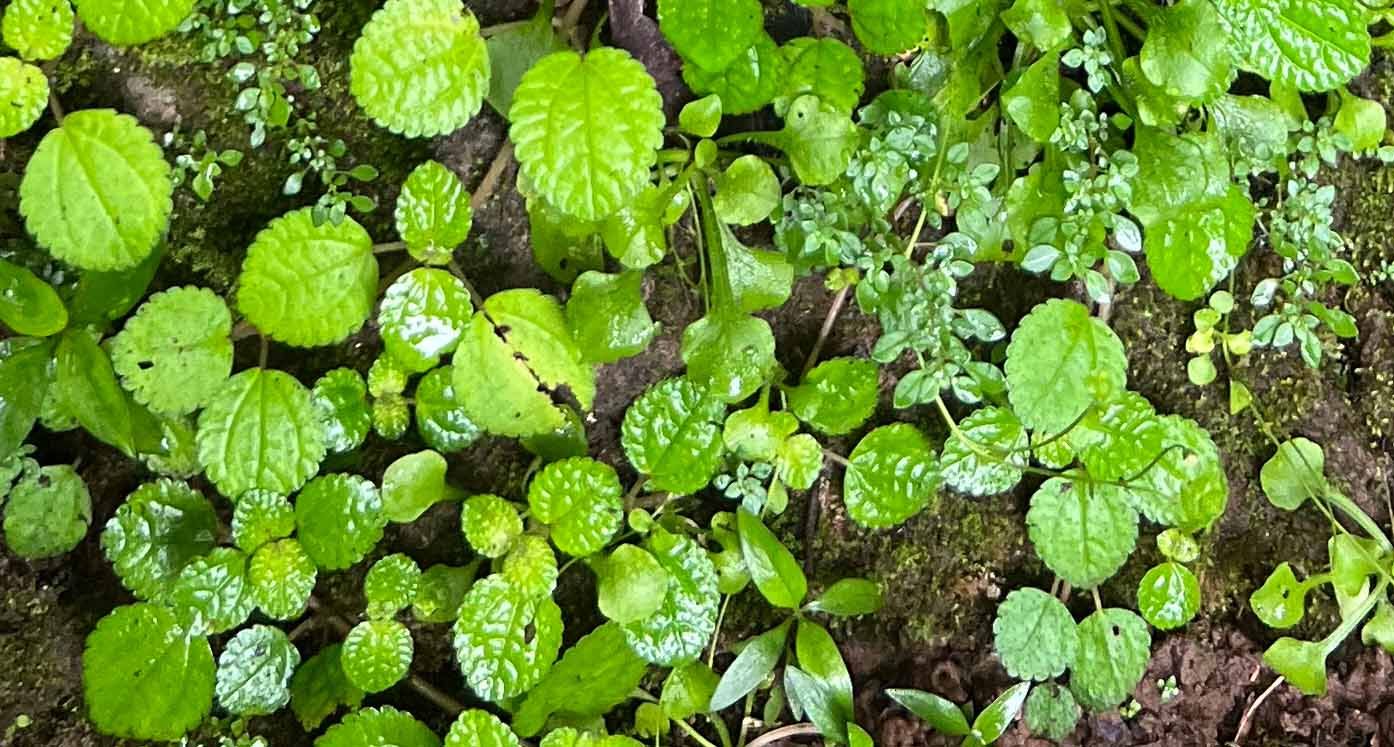
The Creeping Charlie Houseplant is a member of the Urticaceae nettle family and one of over 600 species of Pilea plants. The leaves are bright green and have scalloped notches around the edges. Leaves can be round or teardrop-shaped.
Plant Care Guide: Creeping Charlie (Pilea nummulariifolia)
Creeping Charlie (Pilea nummulariifolia) is a lush, trailing perennial herb grown as a houseplant or groundcover, celebrated for its textured, rounded foliage and cascading bright green stems.
At a Glance
Plant Type: Broadleaf Evergreen Perennial / Trailing Houseplant / Tropical Groundcover
Hardiness Zones: Zones 10–11 (Perennial) / Indoor Houseplant in colder zones
Mature Size: 2–6 in H x 12–24 in W (trailing stems up to 3 ft)
Uses: Hanging Baskets / Terrariums / Indoor Shelf Decor / Tropical Groundcover / Fairy Gardens
Care Requirements
Sun & Light: Medium to Bright Indirect Light (Avoid Direct Sun)
Water: Medium / High Humidity / Keep Evenly Moist (Not Waterlogged)
Soil: Peat-Based / Well-Drained / Airy Potting Mix
How to Propagate
- Stem Cuttings (roots easily in water or moist soil)
- Layering (nodes root on contact with soil)
Important Safety & Health
Caution: NON-TOXIC TO PETS & HUMANS (ASPCA-confirmed safe for cats and dogs).
Common Pests & Diseases
- Root Rot (from overwatering or poor drainage)
- Leaf Spot (fungal/bacterial from overhead watering)
- Spider Mites & Mealybugs
- Fungus Gnats (in overly damp soil)
History & Symbolism
History: Native to the Caribbean and South America; widely cultivated indoor foliage plant prized for tropical terrariums and hanging displays.
Symbolism: Growth, Renewal, Flexibility, Connectivity, Everyday Joy
How to Care for and Grow The Creeping Charlie Houseplant
Growing Creeping Charlie is relatively straightforward and is a good plant to consider as a beginner because it does not require too much maintenance and can tolerate some neglect.
You can usually find Pilea houseplants in most specialty garden centers as well as pet supply stores that offer a variety of plants for frogs. If you cannot find them locally near you, you can often purchase them online from various retailers.
What Potting Soil to Use for Creeping Charlie?
You can use most indoor organic potting soils for Creeping Charlie, which usually contain a blend of sphagnum peat moss, humus, perlite, limestone, and vermiculite. Many gardeners I know swear by African violet potting mix combined with peat moss, but I haven't tried it myself.
Give Your Creeping Charlie the Right Environment
Creeping Charlie needs bright, indirect light. It is important you don't place the plant in direct sunlight, as this can cause the leaves to burn and develop scorched brown spots.
If you have a room with a lot of natural light, such as a sunroom, it will do well in areas that are well-lit but not in the direct path of the sunlight.
The plant likes warm temperatures between 65 degrees F and 85 degrees F, which is another good reason to keep this plant away from the windows, as the cold drafts from winter could cause it to wilt.
How Often to Water Creeping Charlie Houseplant
The plant needs to be watered regularly. The soil should be moist to the touch and not too wet or too dry. A moisture meter is a great tool to have to help you know exactly when you should or should not water your plants.
Like most houseplants, it is wise to have a watering schedule that mimics the natural seasons. Regular watering should be done between spring through fall. In the winter, you will want to water less frequently, allowing about 1/2 inch to 1 inch of the soil to completely dry out between waterings.
How to Propagate Creeping Charlie
Creeping Charlie is typically propagated through stem tip cuttings or by dividing the plant. It is best to cut the plant in the spring after you have resumed a regular watering schedule but before the plant begins to grow substantially.
To take a tip cutting, choose a stem that has healthy leaves at the end. Insert a bare section of the stem into a mix of peat moss and perlite or vermiculite. Adding low heat to the bottom of the container through a warming plate will help it establish roots a little more quickly - just make sure you don't do this with a plastic container as it will melt!
You can also divide the rootball, which is usually best done in the fall. Using a garden shovel, simply cut the plant in half and then transplant that half into a new container.
Pruning The Plant:
You may find that your Creeping Charlie may try to take over, especially as the name suggests it does tend to creep!
It is easy to prune, simply pinch off the tips of the stems. Be sure you do not prune more than 1/3 of the plant each year. If it has grown too big it is usually better to divide it by the rootball and give the plants to a friend.
Troubleshotting Creeping Charlie Houseplant Pests, Diseases, and Other Problems
The Pilea nummulariifolia is a relatively disease tolerant plant, although it can sometimes host nasty critters like mealybugs and spider mites. These can usually be eradicated with insecticidal soaps.
Like almost all houseplants, it can also sometimes develop leaf spots from bacteria. You can usually remove the affected leaves if this happens.
The plant may also develop root and stem rot, which is caused by the fungus Phytophthora sojae. If your roots are affected, you will need to carefully wash them, cut away the affected roots and then repot in completely new soil.
Frequently Asked Questions About Creeping Charlie
Can you eat Pilea Nummulariifolia? Is Creeping Charlie Edible?
The leaves of the plant are considered non-toxic and edible. You can dry them out to use in tea like other plants of the nettle family.
See how to dry herbs to learn more!
Is Pilea Nummulariifolia Toxic To Pets?
Creeping Charlie is generally considered to be non-toxic to dogs and cats. While it's not recommended for them to eat it, it will likely not cause any serious issues other than perhaps a bit of stomach upset in dogs.
Pilea Nummulariifolia is also a great choice for frogs, as it quickly spreads and provides plenty of places for your frogs to hide.
Can I Grow Creeping Charlie Outdoors?
Pilea Nummurlariifolia is best as a houseplant for anyone who does not live in a warm climate as the plant will not tolerate temperatures below 65 degrees F.
However, it can be grown outdoors if you like in USDA Plant Hardiness Zones 10a, 11b, 11a. It is a perennial plant, which means it will grow each year without needing to replant. It is often used as a ground cover outdoors and has a tendency to spread - it's important to make sure it doesn't take over when growing outdoors!
My Creeping Charlie Leaves Turned Yellow!
Yellow leaves are generally a sign of too much or too little water. Investing in a good moisture meter and sticking to a regular watering schedule will help prevent the problem. You may wish to remove the yellow leaves when they occur and make sure that you stick to a regular watering schedule where the soil is not too damp or too dry.
Creeping Charlie is a great plant to consider for beginners and makes for a wonderful addition to any home. Do you have Creeping Charlie? What are your favorite things about this plant? Share your thoughts in the comments section below!