Ash Tree
Plant Info for the Ash Tree
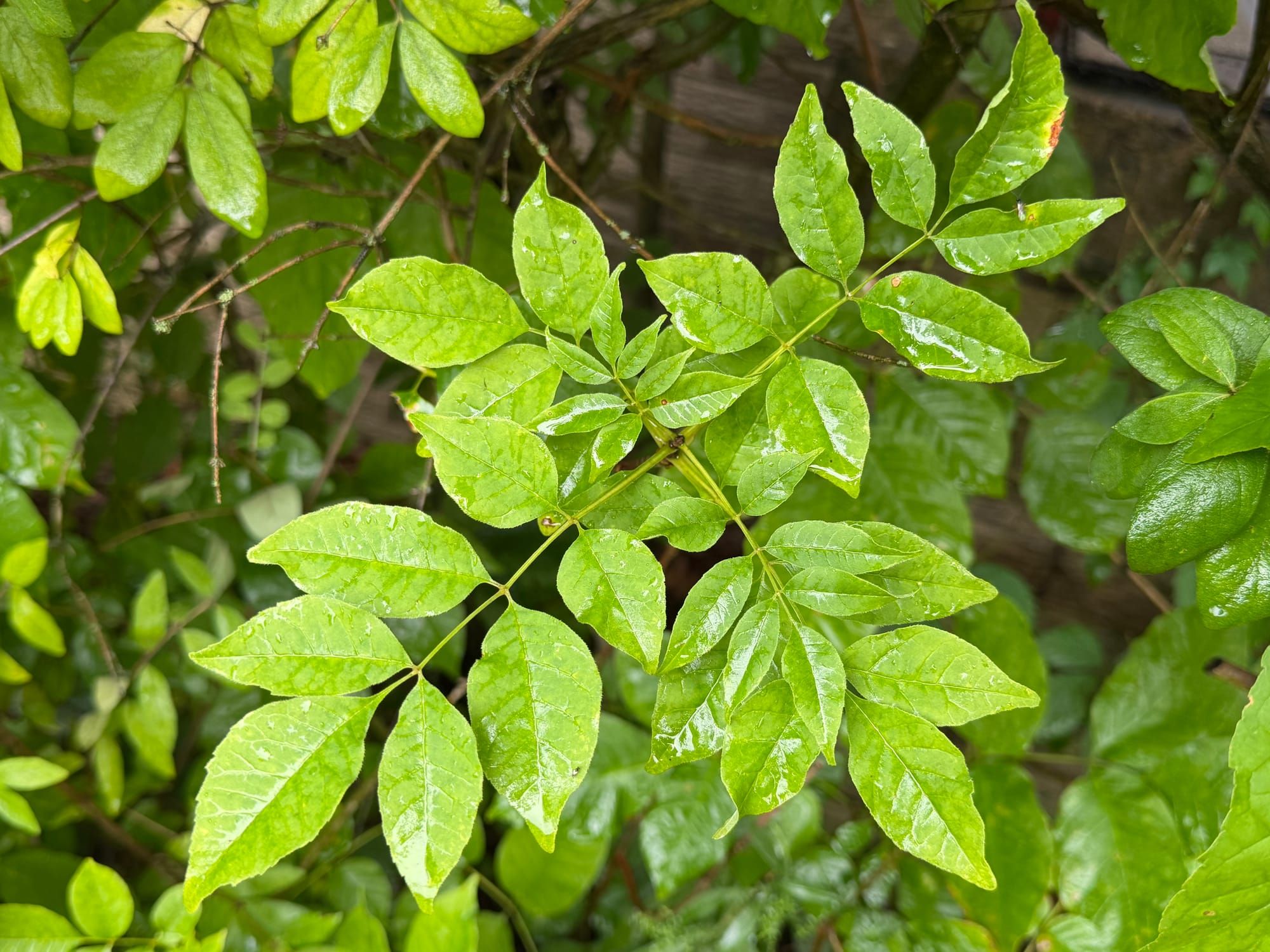
When Ray and I moved into our house in 2007, we had a bunch of ash trees that sadly over the years have all succumbed to the emerald ash borer. It's been many years since we've had any ash trees so we were surprised to see this sapling growing in our side yard!
Although I don't think I would plant ash trees on purpose, having a free one is exciting and so I thought I'd share everything in my plant database about them for you!
Plant Care Guide: Ash Tree (Fraxinus americana)
Description
Large deciduous canopy tree with compound leaves, deeply furrowed diamond-pattern bark, and brilliant yellow to purple autumn foliage.
- Plant Type: Deciduous Shade Tree / Native Canopy Tree
- Hardiness Zones: Zones 3–9
- Mature Size: 50–80 ft H x 40–70 ft W
- Uses: Timber & Tool Handles / Shade Canopy / Wildlife Nesting / Native Reforestation
Care Requirements
- Sun & Light: Full Sun
- Water: Medium / Well-Drained
- Soil: Adaptable / Moist / Rich / Well-Drained
How to Propagate
- Seeds (Samaras)
- Grafting
Important Safety & Health
- Caution: Non-toxic / HIGHLY SUSCEPTIBLE to Emerald Ash Borer (EAB) / Heavy seed drops
Common Pests & Diseases
- Emerald Ash Borer (Insect)
- Ash Anthracnose
- Rust
- Verticillium Wilt
History & Symbolism
- History: Native to eastern North America; traditionally prized by Native Americans and woodworkers for strong, flexible wood used in tool handles, baseball bats, and snowshoes.
- Symbolism: Strength / Sacrifice / Connection / Protection
Do you have an ash tree? Share your experiences in the comments below!