Aloe Vera: Plant Care & Tips for Growing Aloe

Learn how to grow aloe vera and take care of this plant to enjoy the many benefits of harvesting aloe vera gel.

Share
Aloe Vera: Plant Care & Tips for Growing Aloe

Aloe vera is a very beneficial plant to have, as it has many different uses and applications. Today we will talk about how to grow aloe vera, including tips for plant care to ensure your aloe plants grow their best!


Plant Care Guide: Aloe Vera (Aloe vera)

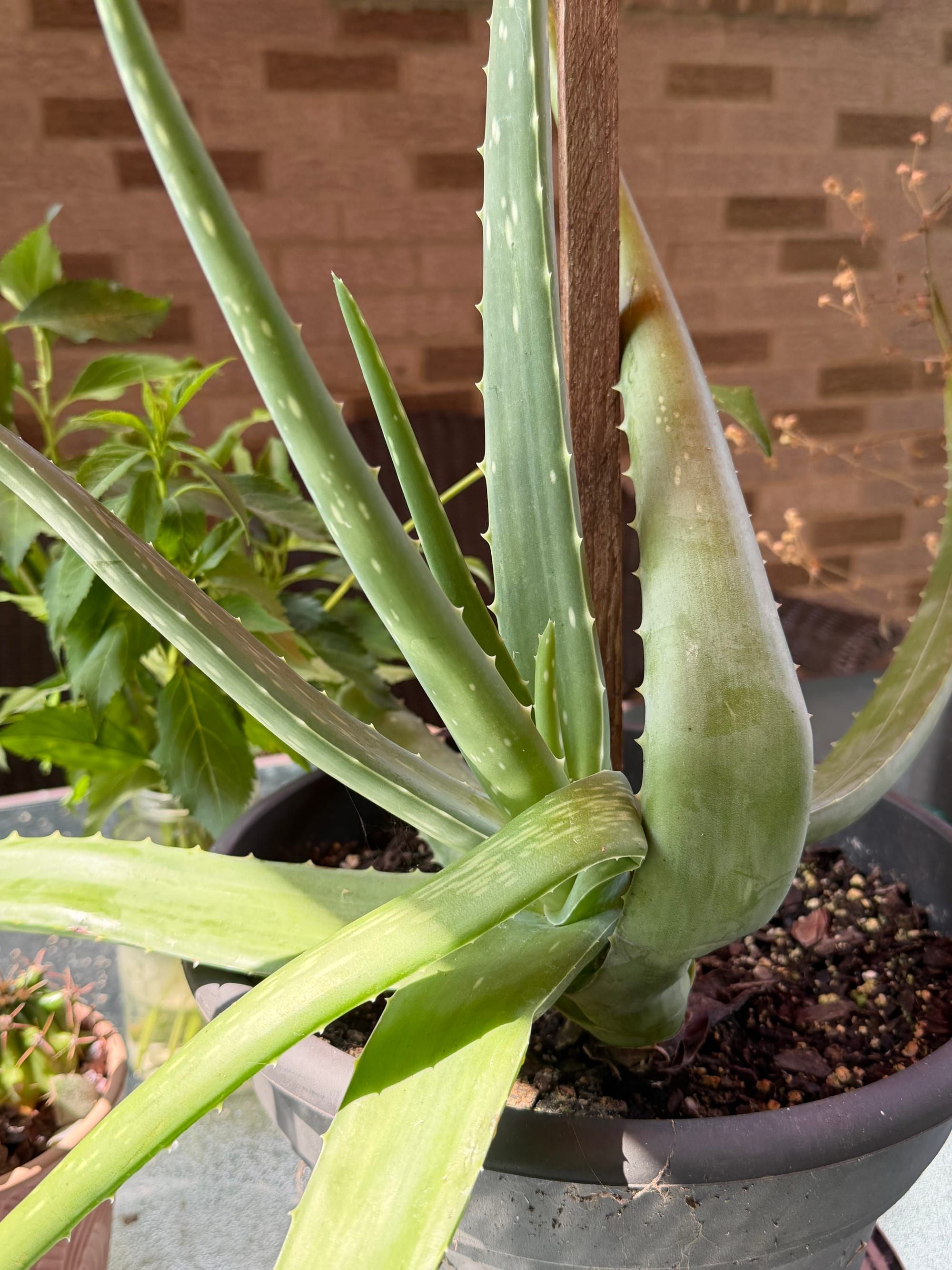
Aloe Vera is a stemless succulent with thick, fleshy, lance-shaped green leaves edged with small white teeth and spiky yellow spring blooms.

At a Glance

Plant Type: Succulent Perennial / Houseplant
Hardiness Zones: Zones 8–11 (Perennial) / Indoor Succulent
Mature Size: 1–2 ft H x 1–2 ft W
Uses: Soothing Topical Gel (Burns & Stings) / Indoor Air Purification / Houseplant / Medicinal Cosmetic

Care Requirements

Sun & Light: Full Sun / High Bright Indirect Light
Water: Low / Drought-Tolerant (Dry Between Waterings)
Soil: Sandy / Cactus Mix / Highly Well-Drained

How to Propagate

  • Offsets (Pups)
  • Leaf Cuttings
  • Seeds

Important Safety & Health

Caution: TOXIC TO PETS (cats, dogs, horses due to saponins and aloin). Mild latex irritant if ingested whole by humans.

Common Pests & Diseases

  • Root Rot
  • Soft Rot
  • Leaf Spot
  • Powdery Mildew

History & Symbolism

History: Native to the Arabian Peninsula; used for over 6,000 years, appearing in ancient Egyptian papyri as the 'plant of immortality' and prized by Cleopatra.
Symbolism: Healing, Protection, Affection, Grief, Immortality, Renewal


Benefits of Growing Aloe Vera

While it looks like a cactus and has similar needs, many people are surprised to learn aloe vera is actually a member of the lily family.

This is something to keep in mind when you are growing it and taking care of it. Most people classify the plant as a succulent, so if you enjoy growing succulents, you will certainly want to consider growing aloe!

Aloe has many different healing properties and uses, from a digestive aid to healing burns and cuts.

If you are interested in growing it for medicinal use, then getting a comprehensive book on the subject, such as the Everything Guide to Aloe Vera with suggested recipes and uses may be helpful for you.

As an Amazon Associate, I earn from qualifying purchases

Understanding Species & Varieties: Vera Vs. Barbadensis

There are a lot of different species of this plant, and some can even be poisonous to ingest the gels from. For this reason, it is VERY important that if you plan to use it for anything medicinal you get the right variety. For most people, this will mean specifically looking for the botanical name Aloe Barbadensis.

Unfortunately many people tend to call all species “aloe vera” which can cause a lot of confusion when you are purchasing the plants. Be sure that the variety you purchase is one that is safe for ingestion if you are planning to use your plant for medicinal use.


How to Grow Beautiful & Healthy Aloe Plants

To grow the plant, it is best to start off with one that is already sprouted and matured, since growing from seed is very difficult. Most of the mature aloe vera plants for sale will come in an either teeny-tiny pot, or even bare root, so you should plan to repot it once you have it.

You can purchase the plant from most home and garden centers, or you can order mature aloe plants online. Bear in mind, if you order a plant online, you will want to make sure that it will not be exposed to cold temperatures during shipping!

If you have friends who already grow aloe, you may even be able to get some from them. The aloe vera plant reproduces very quickly, so it's easy to propagate and grow more.

Keep Your Plants Indoors if You Are in a Cold Climate

Growing aloe outside can only be done if you are in a warmer climate which does not experience cold or freezing temperatures in the winter months. I do not even recommend moving your plants outdoors if you get occasional cold snaps in the late spring or early fall.

Fortunately, growing aloe vera indoors can be done year round and many people love having these plants as part of their indoor gardens. We are in zone 5 and I grow aloe plants indoors year round.

As long as you give your plant ample light and care for it, you’ll be very happy with the results!


Soil & Potting Information:

Ideally you should have a rocky soil mixture, such as the potting soils designed specifically for succulents and cactus plants. Epsoma organic cactus potting mix is one example of the type of soil that will work well for aloe plants to grow.

The plant needs the soil to drain well, so be sure that you have a hole in the bottom of your container to allow for this.

You may wish to place a few stones or gravel in the bottom 1" of the pot to further help with drainage. Rotting and wilting are the most common problems people have when growing this plant, and good drainage can help prevent this problem!


Is there a best pot for growing aloe?

Many people recommend planting it in terra cotta clay pots because it is porous. You will want to use a very large pot if possible, because though the plant does not mind being crowded, it does get pretty big when allowed to grow to its fullest potential.

I would recommend starting with a 12" terra cotta pot at a minimum. The larger pot you use, the faster your plant will propagate and the more room it will have to grow out. If you have the space for it, a 30" pot is ideal.

Aloe Vera is self propagating, which means it will keep growing roots and new plants as time goes on. The plant will begin to spread out and get taller as you care for it.


Aloe Vera Plant Care

One of thing I really love about the aloe plant is how it is relatively easy to care for and is very low maintenance.  The only thing you plant requires is a good amount of sunlight each day and water every 2-3 weeks.

It is important when caring for your plants that you do not overwater the plant. You should only water your plant when the soil feels dry to the touch.

If you do not water it enough, you may notice that the leaves will turn brown. Conversely, overwatering can cause the leaves to droop and become yellowish.

If the soil feels at all damp or wet to the touch, or damp even 1"-2" deep, you should wait to water it until it is completely dry.

Fortunately, the plant often will come back to life if it starts to look a little droopy with a good amount of care. If you notice any leaves turning brown, it is important to gently remove them, so that the plant can give all of its energy into the healthy offshoots.

If you are not sure if your plant has enough water, a moisture meter can be very beneficial. Your soil should only have a moisture reading of 1, as it does not need more water than that.

[content-egg module=Amazon template=grid offset=9 limit=3]

If your plant is in a container, it is a good idea to repot it once a year with fresh soil, but this must be done carefully in order to make sure it does not harm the plant.

Since the plant self-propagates, it is important to look for signs of new baby plants growing, which will usually be off shoots from the base of the plant. You will want to periodically move any of the “baby” shoots to their own pots when necessary so that your main plant can continue growing to its fullest potential.

When replanting the baby roots, you will actually want to NOT water them right away. You want to make sure they are not over watered and that the roots have a chance to adjust to the new potting arrangement. Typically waiting about a week is a good amount of time to let pass.

These baby plants can be a great gift to give to friends and family members. If you are looking for ways to make some money on the side, you may even be able to sell them to others in your community, as they are very high in demand due to the many beneficial properties they offer.

Another very important factor to take into consideration for aloe plant care is that you must make sure the plant is not exposed to any cold temperatures. Even temperatures as low as 55 degrees F can cause the plant to begin to droop or wilt, and anything colder than that may shock the plant.

It can be a good idea to bring your potted plants outdoors in the summer months – but only when the temperatures are above 70 degrees and you can be sure there will be no chance of cold or severe weather. The plant does not tolerate cold temperatures well and will not survive in colder temperatures.

The plant does the best in temperatures between 55 - 85 degrees. Extreme heat can also cause issues for the plant, so if it is extreme hot weather, you may wish to place it in a cooler area of the home.


How to Harvest Aloe Vera

One of the things people are most curious about is how to get and extract the gel once the plant has grown and when it is okay to pick the leaves. This is not difficult, but you do need to know a couple of things first before you try harvesting aloe vera.

First of all, you should let your plant grow very big in size before you begin to harvest the aloe. The bigger your plant is, the more gel you will be able to extract. Pick a large leaf, typically about 8-10 inches long or longer, and cut it off at the base.

When you cut the leaf from the base, you will notice a dark red resin will drip out. This is perfectly okay and normal! You’ll want to allow this resin to drain, since it will not affect the gel inside.

Once all of the resin is out you’re ready for the next step of cutting it apart. Using a knife, you’ll want to cut off the top layer of skin of the plant carefully. You can then carefully scrape out the gel with a spoon as one large piece and use it for whatever your needs may be.

The leaves of the aloe vera plant can also be sliced - this is a popular choice to use for many cocktails and other drink recipes which use aloe vera juice.

The gel can only be stored for up to 2-3 days before it will spoil, and so for many people it makes the most sense to dry the aloe gel to use as a powder. This powder can be used for a variety of different things, such as making a tea, or adding it to your favorite recipes and smoothies.


A Beautiful & Beneficial Plant to Care for!

The aloe vera plant is quite beautiful, and it has many benefits. Learning the basic plant care of aloe plants can help ensure your plant stays healthy and thrives.

Just be forewarned - taking good care of your plants will cause them to propagate quickly, so you may soon have many baby aloe plants than you might expect to be caring for!

Do you have any questions about aloe vera plant care or how to grow aloe plants? We're happy to help answer any of your gardening questions in the comments section below.

And, if you grow aloe vera, why not share your experience about it? What do you use the plant for? What are some of your favorite things about the plant?