Use This Trick from T.S. Eliot to Help Show Not Tell in Your Writing
This trick from T.S. Eliot is an absolute game changer for showing not telling in your writing.

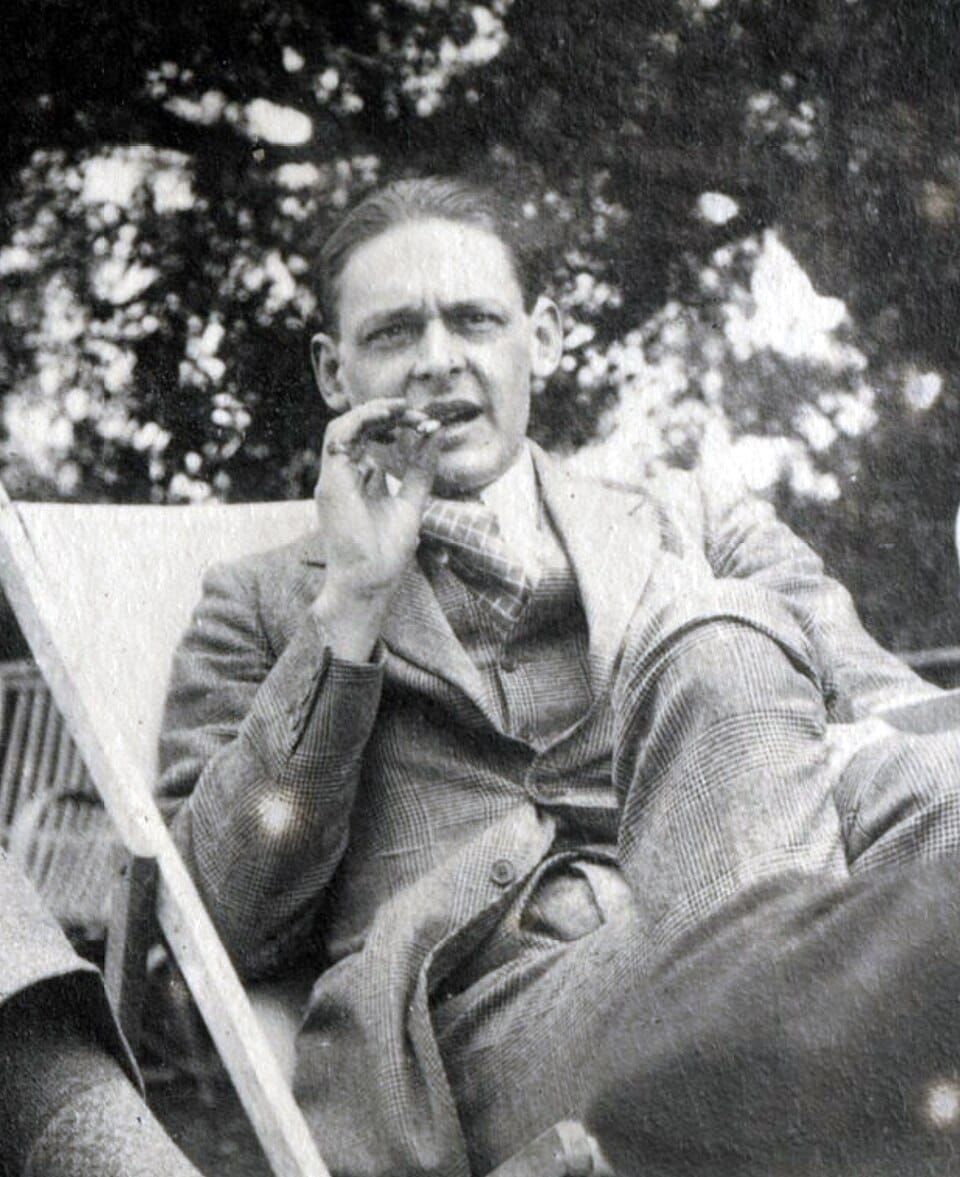
For years I struggled with showing not telling in my writing. I understood the concept, but I could never come up with the right words to capture a mood or feeling. It always seemed forced and too flowery.
This all changed when I discovered a concept called Objective Correlation, used by writer T.S. Eliot and I’m going to share it with you today to help you take your writing to the next level!
What is Objective Correlation?
In a 1919 essay about Hamlet, Eliot defined the term as "a set of objects, a situation, a chain of events which shall be the formula of that particular emotion."
Essentially – without us getting too overly technical – it is a way to evoke a specific feeling in your reader without ever naming that feeling.
Instead of writing about a particular feeling or event, you identify objects that are related to that feeling and describe the objects. This allows the reader to feel the weight of the emotion rather than trying to force it on them.
How This Helps You Show Not Tell
Telling is easy, but it often leaves the reader feeling detached from your story. When you say "I felt sad," the reader acknowledges the fact but isn't drawn into the scene or the actual chain of events that are happening.